October 8, 2026
Building a new home is an exciting yet complex process that requires careful planning and consideration. When exploring options for custom homes, from location to design, there are many factors to weigh to ensure your new home meets your needs and expectations. This article explores critical aspects to consider when embarking on your home-building journey. These considerations will not only impact the construction phase but will also have long-term implications on your living experience. Taking the time to thoroughly explore these factors—especially when planning custom homes—can lead you to a home that is not just a shelter, but a personalized space that provides comfort, security, and an ideal environment for living.
1. Location and Neighborhood
1.1 Proximity to Work and Amenities
When choosing a location, proximity to your workplace and essential services is crucial. The daily commute is a significant aspect of one's lifestyle, and minimizing travel time can dramatically improve quality of life. Similarly, being close to amenities such as grocery stores, shopping centers, and healthcare facilities ensures convenience and accessibility. In addition, proximity to entertainment venues and parks can enhance your leisure time activities. Balancing these factors can lead to a more satisfying and manageable daily routine.
Moreover, being situated near educational institutions can be a decisive factor, particularly for families with children. Easy access to schools can simplify daily logistics and provide better opportunities for children's education. Nearby services also tend to increase property values, making it an advantageous consideration for investment purposes. Over time, homes in well-served areas usually maintain or gain in value. Therefore, understanding the proximity to various services and work can offer both immediate and long-term benefits.
1.2 Community and Safety
Moving into a new area involves more than just selecting the physical space; it means becoming part of a community. Understanding the community's ethos, social activities, and engagement ethos can offer valuable insights into the neighborhood's vibrancy and character. Investing time to visit the neighborhood at different times of the day and week can provide a deeper understanding of its dynamism and culture. A well-knit community typically offers a welcoming and supportive environment for newcomers. Such communal environments often lead to better social cohesion and an overall better quality of life.
2. Budget and Financing
2.1 Estimating Costs
Creating a thorough and realistic budget is one of the most crucial steps in building a home. From the onset, understanding the scope and scale of your project helps in estimating the associated financial outlay. Alongside direct construction costs, auxiliary expenses include permits, design fees, and site preparation. Factoring in these costs early prevents unexpected financial strain during the mid-stages of construction. Moreover, a well-considered budget leaves room for quality assurance without compromising key aspects of your new home.
It's wise to embrace transparency in cost discussions with contractors and designers from the start. Specialized builders who focus on custom homes can help navigate material trade-offs to keep expenses manageable without losing design integrity. Additionally, breaking down the budget into phases or sections provides better clarity, making monitoring more feasible. Besides construction, additional post-building costs, such as landscaping and interior furnishings, should be considered. Accurately budgeting for every phase ensures a smoother financial journey throughout your home-building experience.
Unexpected expenditures are an unfortunate reality in most home-building projects. Therefore, incorporating a financial buffer—often suggested as 10-20% extra—can offset unforeseen circumstances. Labor shortages or price hikes in materials could emerge, adding to overall costs, and this contingency helps mitigate their impact. Additionally, understanding inflation trends aids in predicting future expenses more confidently. A well-constructed financial plan, complemented by a strategic backup fund, leads to more peace of mind as you transition from construction to lifetime homeownership.
2.2 Cost of Living and Long-term Affordability
Before deciding on a new home, comprehending the area’s cost of living is vital. Local economic characteristics, like taxation rates and utility costs, directly influence the affordability of maintaining a home. Therefore, reviewing such expenses and contrasting them with potential income adjustments yields significant insights into economic viability. Building a new home extends beyond its walls and affects various financial dynamics unique to each locale. Accordingly, a thorough assessment aids in confirming financial practicality amid long-term living plans.
Evaluating affordability is intertwined with long-term property maintenance expenses. Routine home maintenance, according to Zippia, tends to occur in increments with major updates typically spaced 15 to 25 years apart. High-quality custom homes constructed with durable materials often see lower immediate maintenance demands compared to older properties. Staying proactive with property upkeep, such as plumbing, roofing, or HVAC systems, conserves resources and minimizes surprise costs. A concise plan towards long-term managing of these elements facilitates peace of mind while enjoying the fruits of your home.
3. Design and Functionality
3.1 Architectural Style
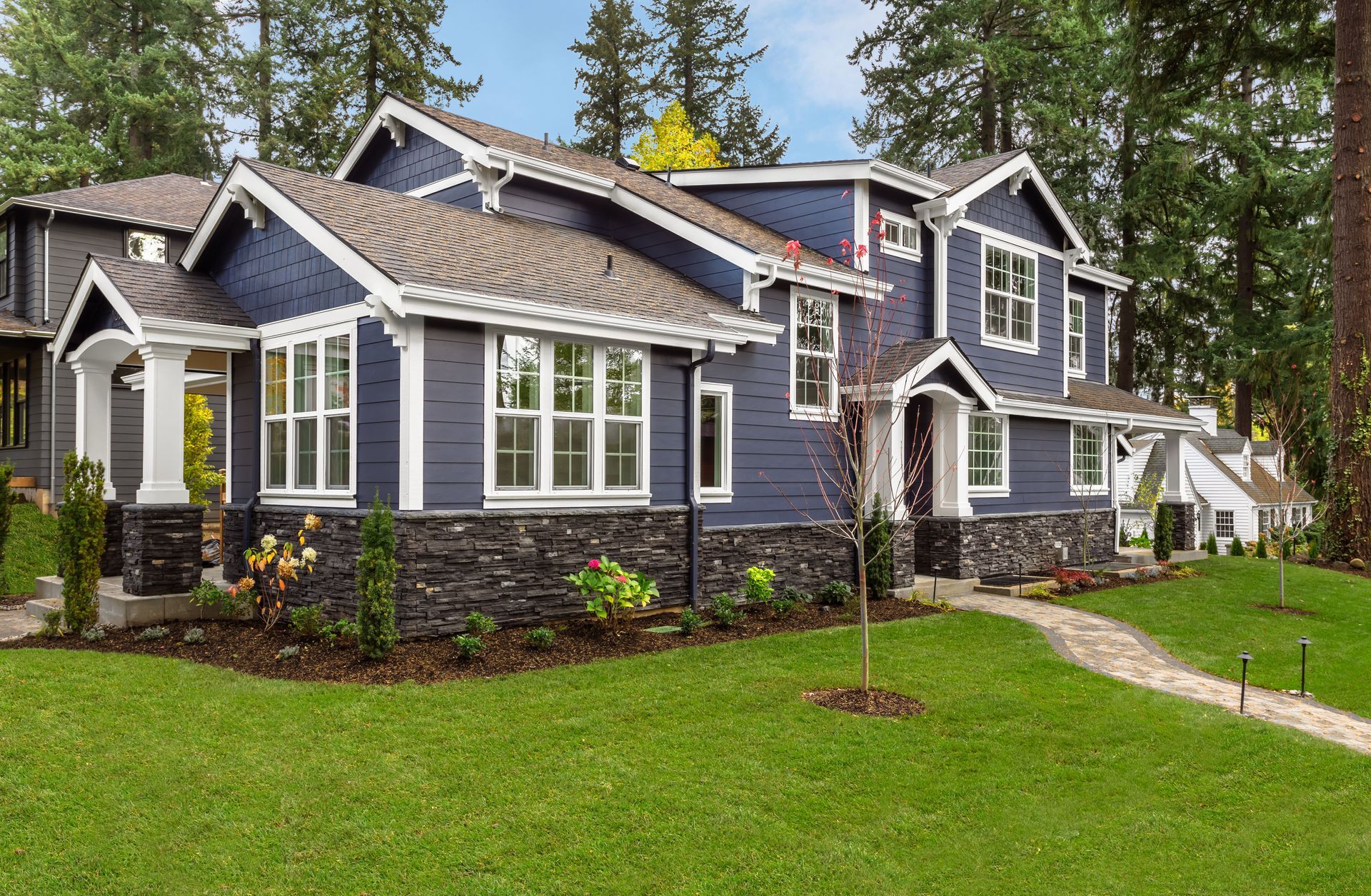
The architectural style of a home serves as its visual language, reflecting the homeowner's aesthetic preferences and project goals. Beginning with defining this style provides a basis for numerous design decisions throughout the construction journey. Whether indulging classical elegance or embracing contemporary minimalism, consistency in choice brings coherence to the home's character. Understanding your taste and budget constraints helps narrow down options to what is not just visually appealing but also pragmatically viable. Furthermore, modern custom homes allow owners to blur the boundaries between distinct styles to create a truly one-of-a-kind facade.
Choosing the right architectural style also influences your home's functionality and efficiency in context. Each style carries inherent characteristics concerning layout, materials, and features, affecting maintenance and water usage or sunlight maximization. Therefore, diligent style selection harmonizes aesthetic quests with operational realities, enhancing overall habitability. A well-thought-out decision during this phase potentially steers property value and attractiveness when considering resale factors. Thus, synergizing your personal style with practical concerns equips the home to serve homeowners optimally throughout years of living.
3.2 Floor Plan and Space Utilization
A home's floor plan is the blueprint of its functionality, governing spatial relationships and user experience. Begin with identifying needs and habits that influence spatial prioritization, from open communal areas to quiet retreats. A coherent floor plan cultivates harmony between design intent and living practices, supporting daily routines and ongoing leisure. Diverse family dynamics necessitate flexibility, making adaptable design important to accommodate potential changes in home occupancy and use. Combining aesthetic aspirations with these practicalities yields an enduring design foundation.
An effective floor plan within limited square footage leverages strategic design choices to maximize usability. Optimizing smaller spaces by exploring multipurpose rooms or efficient storage solutions broadens home functionality without expansion burdens. One of the main advantages of custom homes is the ability to tailor every room's dimensions and layout to your exact lifestyle demands. Discerning room size and dimensions relevant to their intended function maintains an equilibrium between utility and comfort. Collaborating with architects and designers skilled in space utilization ensures distinct guidelines align with overarching aspirations and expectations.
Building a new home is a major milestone that requires a thoughtful balance between location, financial planning, and functional design. By evaluating neighborhood dynamics, setting a realistic budget with proper contingency funds, and tailoring your space to fit both current and future needs, you create a strong foundation for long-term satisfaction. Thoughtful preparation at every stage ensures that your home-building project runs smoothly, ultimately resulting in a personalized living environment that offers lasting value, comfort, and peace of mind. Contact Pope Company Custom Homes LP today to learn more.